
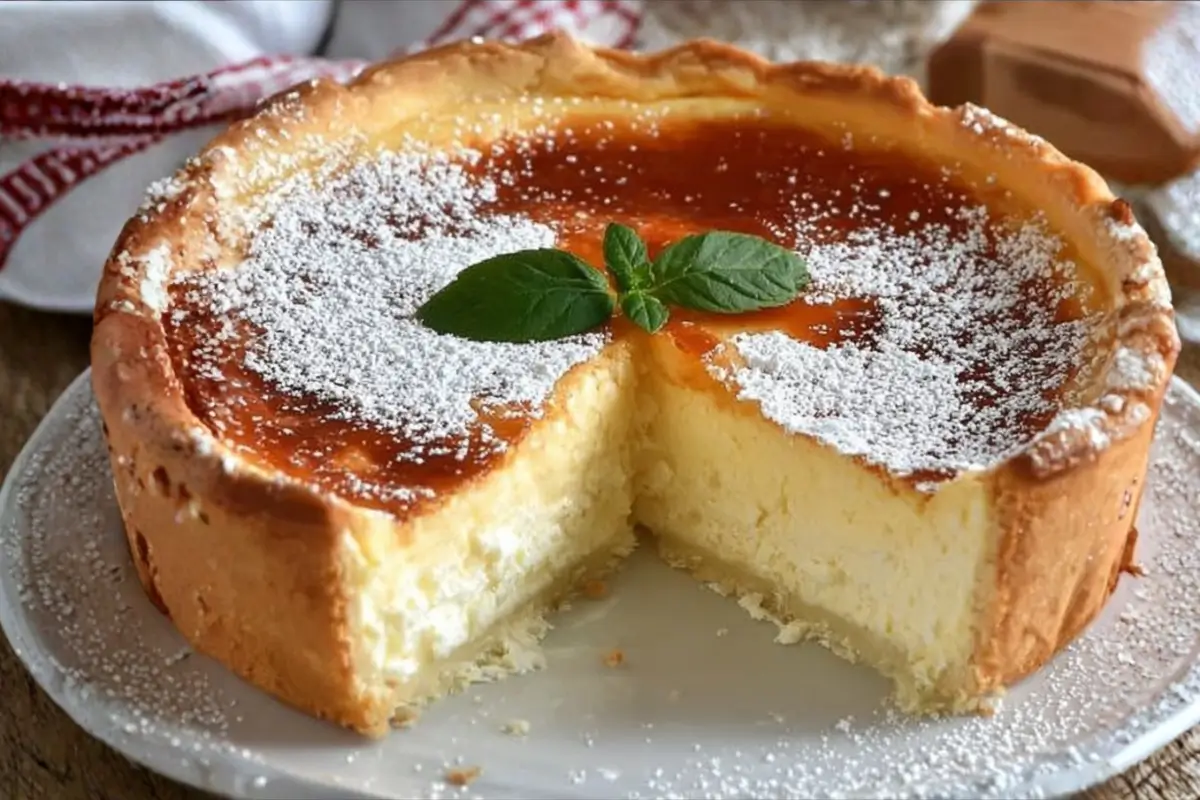
I’ll never forget the way the house smelled the morning before Easter. It was a specific kind of warmth—vanilla, bright citrus zest, and that sweet, creamy scent of ricotta baking low and slow.
The air felt heavy with anticipation. My mom would catch me tiptoeing toward the kitchen and whisper, “Don’t open the oven, baby—it needs time to become magic.”
For us, and for so many Italian families, this pie was the quiet star of the dessert table. It wasn't flashy like a frosted layer cake, but every slice tasted like home. It was the comfort we waited all year for.
I know you have those memories too. Maybe it wasn't ricotta pie, but I bet there’s a dessert that signals "celebration" in your soul.
Maybe it’s the smell of cinnamon rolls or a specific fruit cobbler...
This recipe is about honoring that feeling. It’s about taking a few humble ingredients and turning them into a memory for your own table.
Whether you’re carrying on a generations-old tradition or starting a brand new one this Sunday, you are in exactly the right place.
What Makes This Ricotta Pie Special
Don’t worry—this part is simpler than it looks, and I’m going to be right here with you.
If you’ve ever hesitated to make an Italian dessert because you’re afraid it will be too complicated or come out dry, this is the recipe you’ve been waiting for.
I like to call this the “Digital Nonna” version because it keeps all the soul of the old country but uses techniques that make it virtually fail-proof for modern kitchens.
Here is why this specific recipe works:
The Blitz & Seal Method: We use a specific mixing technique that guarantees a silky, cloud-like filling—absolutely no graininess allowed.
The Texture Balance: It is lighter than a New York cheesecake but richer than a custard. It sits perfectly in that "comfort zone" middle.
Forgiveness: This version is lovingly crafted to banish the dreaded "soupy center" or "soggy bottom" forever.
Some families insist on chocolate chips; others (like mine) prefer pure citrus. We aren't here to judge tradition; we are here to make sure yours comes out of the oven golden, fragrant, and perfect.
You’ve got this—let’s get into the details.
What Is Ricotta Pie? (Tradition + Clarity)
Before we bake, let's clear up exactly what we are making so you know what to expect.
Ricotta pie is a traditional Italian dessert, often associated with Easter (where it might be called Pizza di Ricotta or Crostata di Ricotta), though in my house, we find excuses to make it year-round.
Traditionally, it consists of a sweet pastry crust called pasta frolla filled with a sweetened ricotta cheese mixture that is flavored with lemon, orange, vanilla, or sometimes cinnamon.
Think of it as cheesecake’s lighter, more rustic cousin. It doesn't require a water bath, it’s not as dense, and it feels more like "breakfast dessert"—meaning, yes, it is perfectly acceptable to eat a slice with your coffee the next morning.
In fact, that’s often when it tastes the absolute best.
Ricotta Pie vs. Cheesecake
If you are wondering how this differs from the cheesecake you might be used to, here is the breakdown.
This helps set your expectations for that first delicious bite.
Key Difference | Italian Ricotta Pie | American Cheesecake |
|---|---|---|
Cheese Base | Ricotta (light, slightly grainy naturally) | Cream Cheese (dense, tangy, smooth) |
Texture | Soft, custard-like, slightly fluffy | Dense, heavy, creamy |
Sweetness | Subtle, aromatic, balanced | Very sweet, rich |
Crust | Pasta Frolla (soft dough) or Pie Crust | Graham Cracker or Cookie Crumb |
Baking Method | Direct heat (standard baking) | Often requires a water bath |
Flavor Profile | Citrus forward, vanilla, almond | Tangy, sweet, plain vanilla |
Ingredients You Need (With Critical Notes)
Take a breath; you’re doing great so far. The list is short, but the quality matters here.
1 Ricotta (Most Important Ingredient)
This is the heart of the pie. You must use Whole Milk Ricotta.
Please, promise me you won't buy the "part-skim" or "low fat" versions—they contain too much water and fillers that will make your pie weep (and might make you weep, too!).
Rena’s Tip: Most tub ricotta is very wet. Even if the container says "thick," it usually holds hidden moisture that we need to remove.
2 Eggs
We use whole large eggs here. They provide the structure.
While some traditional recipes ask you to separate yolks and whites to fold them in, I find that using whole eggs mixed thoroughly gives a more consistent, stable custard without the fuss of whipping egg whites.
3 Sugar + Aromatics
4 Pasta Frolla / Crust Options
5 Optional Add-Ins (Family Variations)
Before You Start: The Prep Timeline (Make-Ahead Guidance)
Here is the part everyone overthinks—but you won’t, because we have a plan.
This isn't a recipe you rush. The "magic" my mom spoke about is actually just patience.
- 1The Night Before (or at least 2 hours prior): Drain the Ricotta. This is the single most critical step. Place your ricotta in a fine-mesh strainer lined with paper towels or cheesecloth over a bowl. Let gravity do the work.
- 21 Hour Before: Take your eggs out of the fridge. Room temperature ingredients mix into a smooth batter; cold ingredients create lumps.
- 3Baking Day: Preheat your oven well in advance.
- 4Cooling: You cannot eat this warm. It needs to cool completely and then chill in the fridge for at least 2 hours (overnight is best) to "set" the texture.
How to Avoid the 3 Most Common Ricotta Pie Mistakes?
I’m sharing this so you can bake with total confidence. I ruined this recipe twice before I figured these out, so now you don't have to.
Mistake #1: Watery/Soupy Filling
Cause: The ricotta was too wet, or the pie was cut while warm.
Solution: Do the Paper Towel Test. If you press a paper towel onto your drained ricotta and it soaks through instantly, drain it longer. And never skip the fridge time after baking.
Mistake #2: Grainy/Gritty Texture
Cause: Ricotta is naturally grainy, but we want creamy. Undermixing is the culprit.
Solution: The Blitz Method. I strongly recommend giving your ricotta a quick spin in a food processor (or whisking vigorously) before adding the other ingredients to smooth out those curds.
Mistake #3: Soggy Bottom Crust
Cause: Pouring wet filling onto raw dough.
Solution: The Seal & Shield. If you are using a store-bought crust, you can brush the bottom with a little egg white before pouring the filling. This creates a barrier between the dough and the moisture.
See? You’re already doing beautifully. You know the pitfalls, so you’re going to avoid them.
Step-by-Step: How to Make Ricotta Pie
Let's get cooking. Put on some music, maybe pour a cup of tea. We are making something delicious.
1- Make the Crust (Pasta Frolla or Store-Bought)
If using store-bought, unroll it gently. If it cracks, just pinch it back together with warm fingers—dough is forgiving.
Place it into your 9-inch pie dish. Crimp the edges with your thumb and forefinger or use a fork for a simple design.
Note: If you are making homemade pasta frolla, remember it handles more like cookie dough than flaky pie crust. It should be soft and pliable.
2- Drain & Blitz the Ricotta
Take your drained ricotta. It should look firmer now, almost like fresh playdough. Place it in a bowl (or food processor).
Whisk or pulse it for 30–60 seconds. You will see the texture change from "curdy" to smooth and creamy. This is the secret to that velvety mouthfeel.
3- Mix the Filling
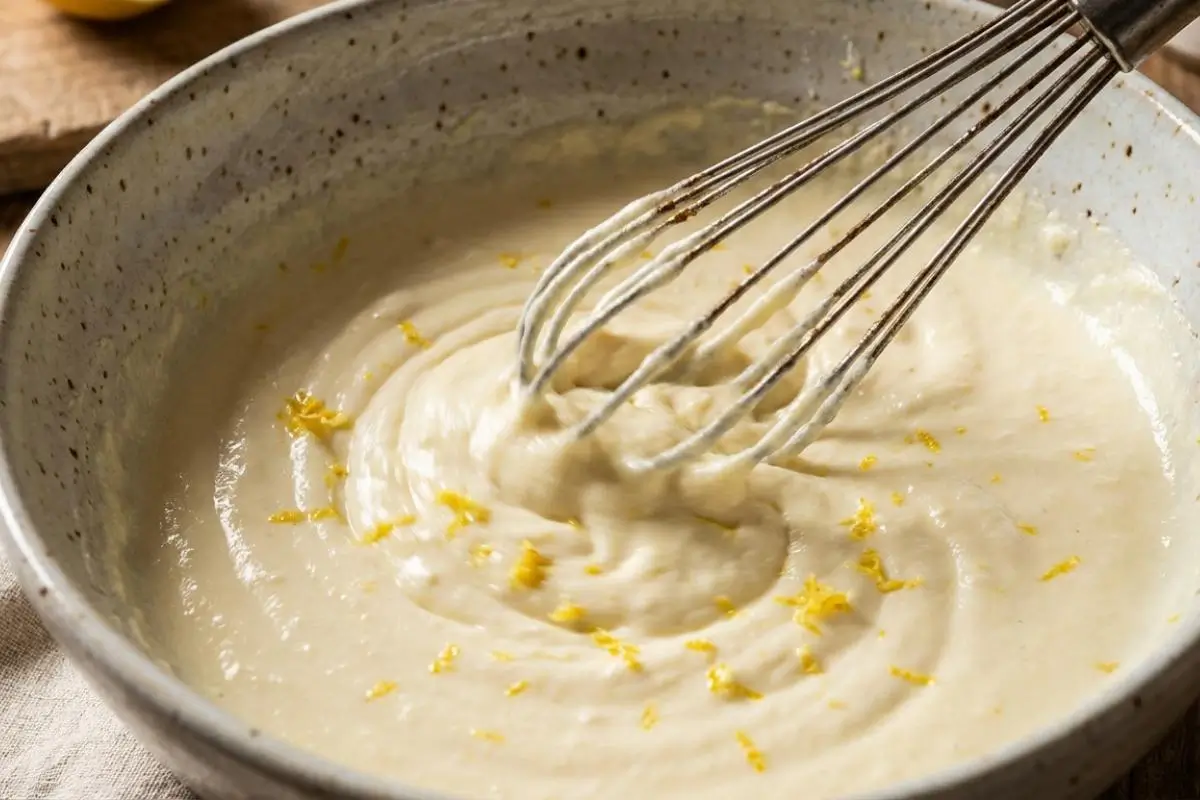
In a large bowl, combine your smooth ricotta with the sugar, eggs, vanilla, lemon zest, and salt.
Sensory Cue: As you whisk, the sound should change from a heavy "thud" to a lighter, fluid "slap" against the side of the bowl. The smell of lemon zest hitting the sugar should be bright and fragrant.
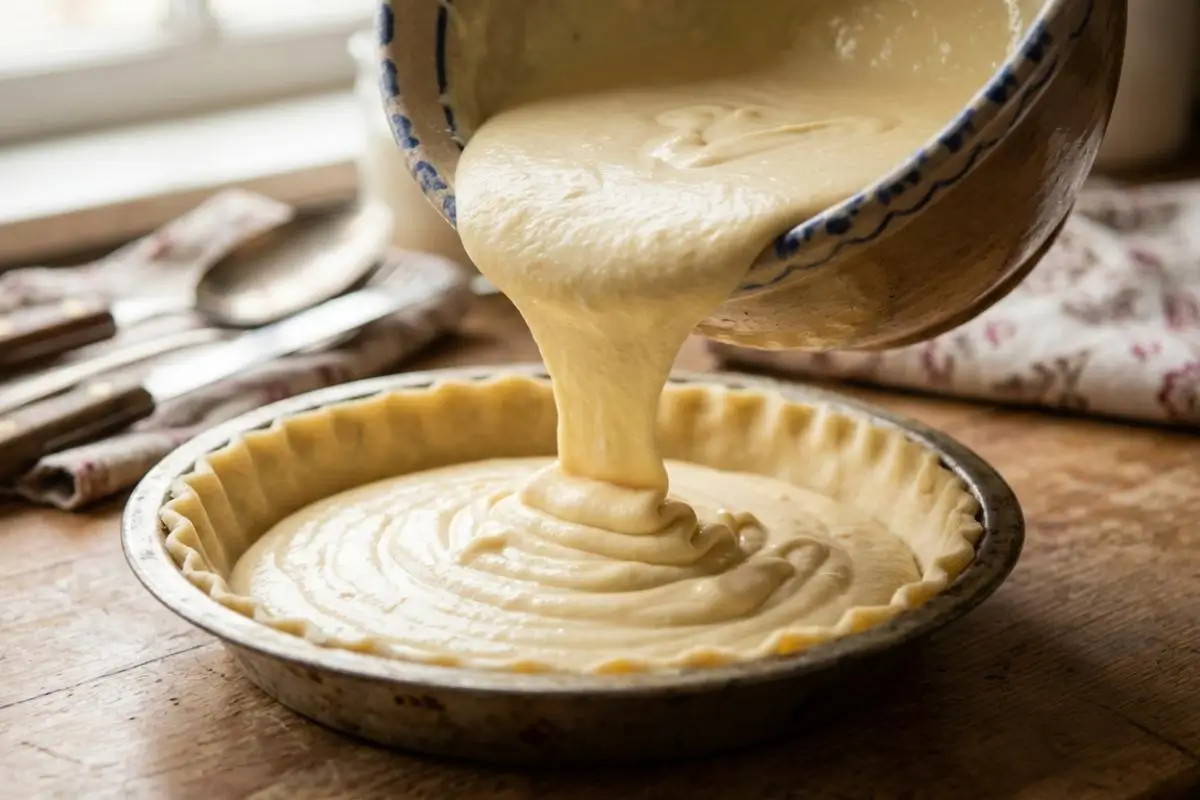
Texture Check: The mixture should be thick but pourable—like a heavy cake batter.
4- Assemble the Pie
Pour the filling into your prepared crust. Use a spatula to smooth the top gently.
Rena's Tip: If you have extra pie crust dough, you can cut strips and make a lattice pattern on top. If you do this, brush the lattice with a little egg wash for a golden shine.
5- Bake
Place the pie in the center of your preheated 350°F oven. Bake for 50–60 minutes.
The Jiggle Test: You’ll know it’s right when the edges are puffed and golden, and the center has a slight "wobble" like set gelatin, but it is not liquidy like water.
6- Cool & Chill
This is the hardest part—waiting. Turn the oven off. Let the pie cool on the counter until it reaches room temperature. Then, cover it gently and move it to the fridge.
Why? The proteins in the cheese need cold to firm up. If you slice it now, it will collapse. Give it at least 2 hours in the fridge.
You’re closer than you think — keep going.
What Good Looks Like
When you pull this out of the fridge to serve, here is what you should see:
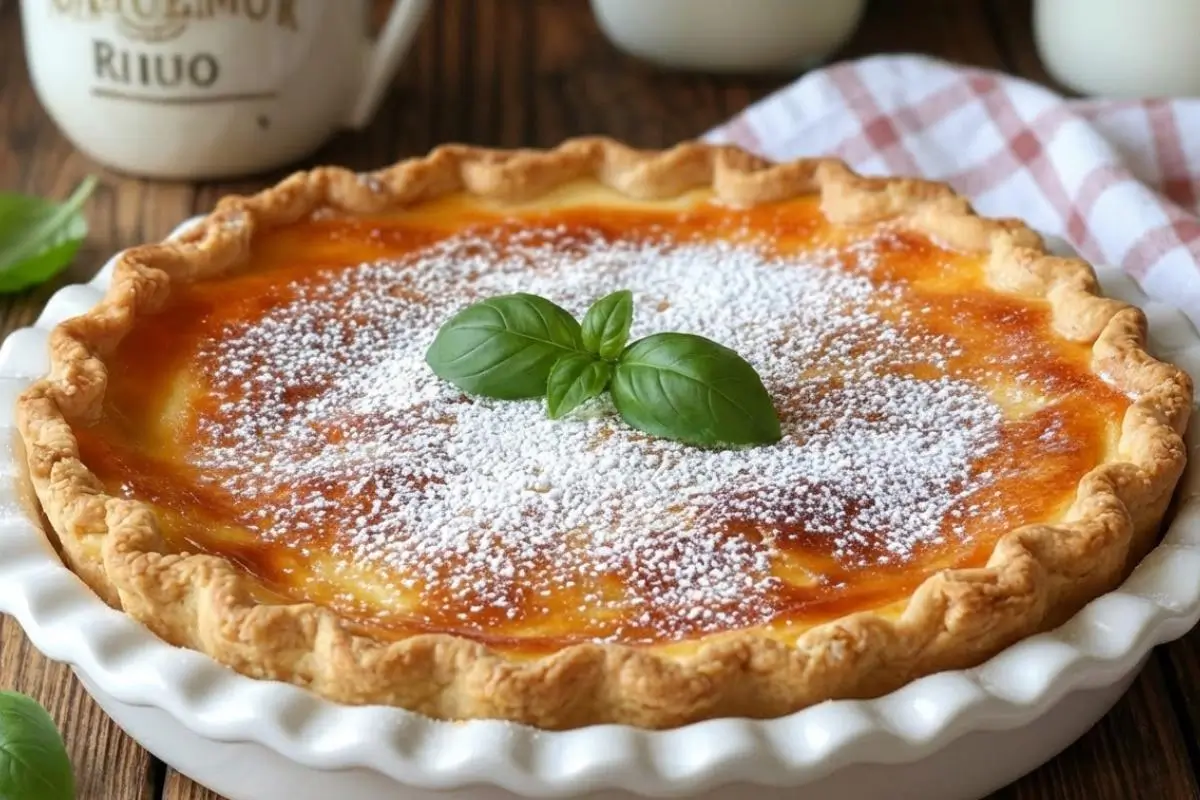
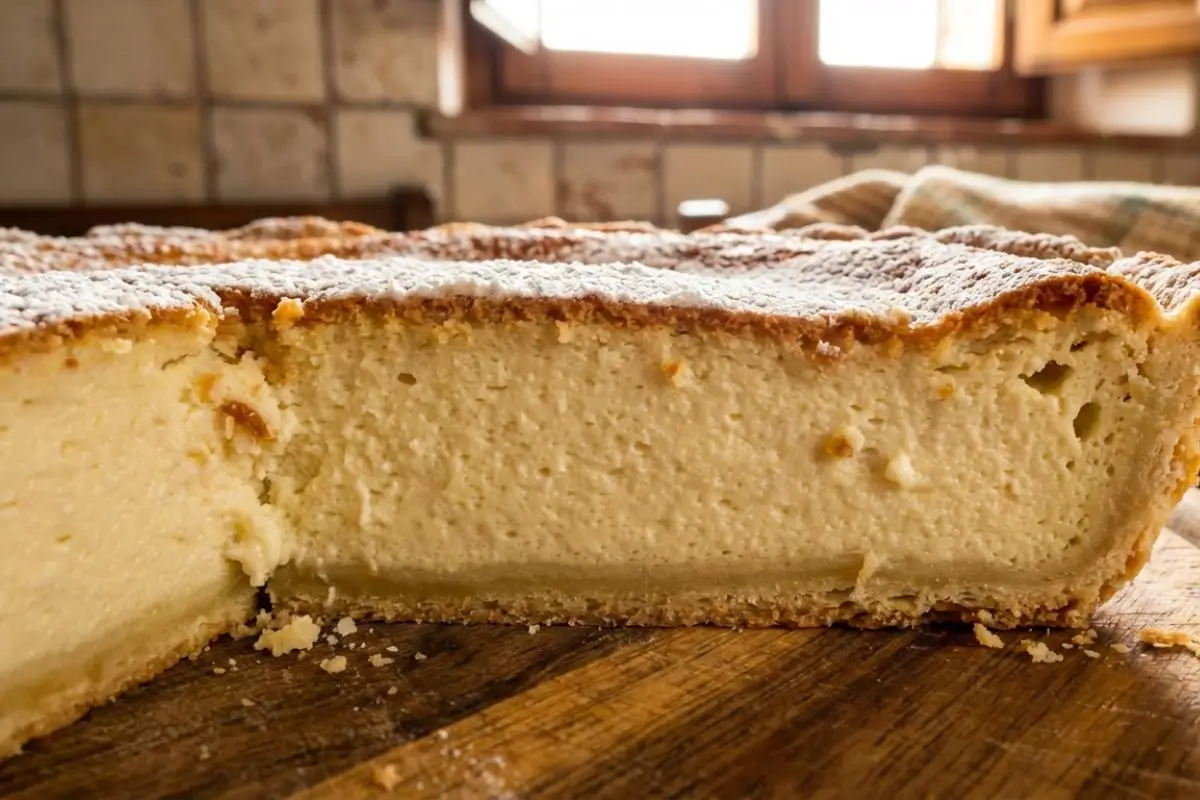
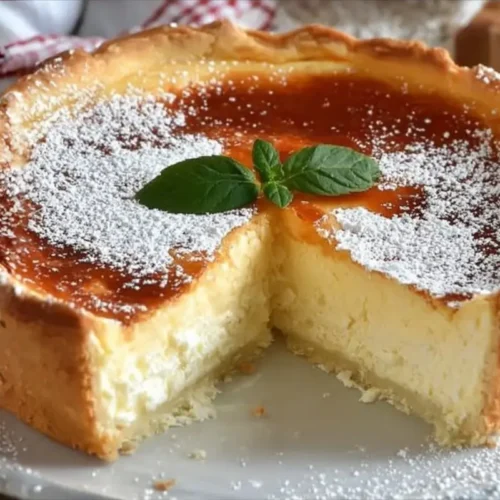
The Top: Lightly golden brown, perhaps slightly puffed or settled flat. A few small cracks are totally normal—it adds rustic charm.
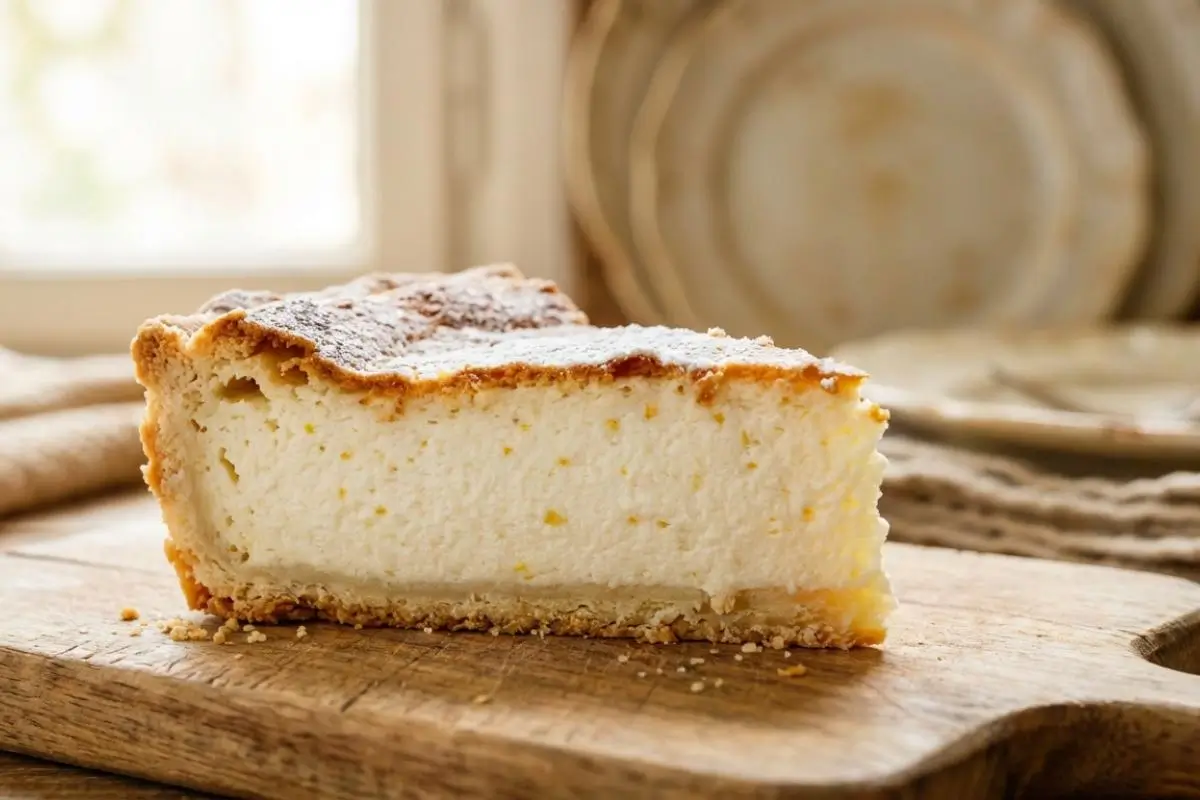
The Slice: When you cut a wedge, the sides should stand up straight. The texture inside should look dense and creamy, not weeping water.
The Crust: Golden on the edges and holding the weight of the filling without bending.
Variations (Authentic + Inclusive)
This recipe is a canvas. Here is how you can paint on it:
Chocolate Chip Ricotta Pie (Cannoli Style): Fold in ½ cup of mini semi-sweet chocolate chips after mixing the batter. (Use mini chips so they don't sink to the bottom!)
Citrus-Only Lemon Ricotta Pie: Double the lemon zest and add 1 tablespoon of fresh lemon juice for a tart kick.
Mini Ricotta Pies: Use a muffin tin lined with small circles of pie crust. Bake for only 20–25 minutes. Perfect for parties!
Gluten-Free Ricotta Pie: Omit the crust entirely! Grease a pie dish heavily or use parchment paper. It bakes into a delicious crustless custard.
Dairy-Free: This is tricky, but you can use high-quality almond or cashew-based ricotta. Just be aware the texture will be slightly softer.
Serving Suggestions
Temperature: This pie shines when served cold or slightly chilled.
The Perfect Pair: In Italy, we would serve this with a small, strong espresso. The bitterness of the coffee cuts the sweet creaminess perfectly.
Topping: A simple dusting of powdered sugar is traditional. If you want to be fancy for Easter brunch, serve with a side of fresh raspberries or a dollop of whipped mascarpone.
Storage & Freezing
1 Refrigeration
This pie belongs in the fridge. It will stay fresh and delicious for up to 4 days. Cover it loosely with foil or plastic wrap to prevent it from absorbing "fridge smells."
2 Freezing
Can you freeze it? Yes!
Whole Pie: Wrap tightly in plastic wrap, then foil.
Slices: I prefer freezing individual slices. Wrap them in parchment paper and place them in a freezer bag. It’s a great treat for a rainy Tuesday.
Texture Note: The texture might become slightly denser after freezing, but the flavor remains amazing.
3 Reheating / Thawing
Thaw overnight in the refrigerator. Do not microwave it to thaw, or you will end up with a puddle of hot cheese!
Sweet And Creamy Italian Ricotta Pie Recipe
Ingredients
- 2 cups whole milk ricotta cheese drained if watery
- 3/4 cup sugar
- 3 large eggs
- 1 teaspoon vanilla extract
- 1 lemon zest zest of 1 lemon
- 1/4 teaspoon salt
- 1 9-inch pie crust store-bought or homemade
- powdered sugar for dusting
Instructions
- Preheat the oven to 350°F and place the pie crust into a 9 inch pie dish, crimping the edges.
- In a large bowl, whisk the ricotta until smooth, then add the sugar, eggs, vanilla, lemon zest, and salt. Mix until well combined and creamy.
- Pour the filling into the prepared crust and smooth the top.
- Bake for 50 to 60 minutes, until the center is set and the top is lightly golden. The pie may puff slightly and will settle as it cools.
- Let the pie cool completely, then refrigerate for at least 2 hours or overnight.
- Dust with powdered sugar before serving.
Notes
Troubleshooting FAQ
Why is my ricotta pie watery?
Usually, this means the ricotta wasn't drained enough, or the brand used had too many stabilizers. Next time, let it drain overnight in the fridge wrapped in paper towels.
How do I know when it’s done?
Look for the "Jiggle." Shake the pan gently. The center should move like Jell-O, not like a wave of water.
Do I need to drain the ricotta?
Yes. Always. Even "thick" ricotta releases water when heated.
Should I blind bake the crust?
It’s not strictly necessary for this recipe if you bake at 350°F on the middle rack, but if you love a very crisp bottom, you can blind bake for 10 minutes.
Why is my filling grainy?
This happens if the ricotta wasn't whisked enough before adding eggs. Try the food processor blitz next time!
Can I make ricotta pie ahead of time?
Absolutely. In fact, it tastes better the next day. It’s the perfect "stress-free" holiday dessert.
Can I freeze ricotta pie?
Yes, for up to 1 month. See the storage section above!
Warm or cold — how should I serve it?
Cold or cool room temperature is best for the texture to hold up.
Is ricotta pie the same as cheesecake?
No. It is lighter, less sweet, and uses ricotta instead of cream cheese. It’s a different (and I think, better!) experience.
Rena’s Expert Tips
More Than Just a Recipe
This pie isn’t about perfection—it’s about tradition. It’s about the sound of the oven door closing and the smell that fills your kitchen, telling everyone, "Something good is happening here."
Whether your crust is perfectly crimped or a little rustic, and whether you serve it on fine china or paper plates, the love you put into it is the most important ingredient.
I’d love to hear from you—did your family have a special dessert that meant "celebration"? Or are you starting this tradition today? Let me know how it turns out.
Save this recipe, share it with someone you love, and remember: you’re doing great.
Love, Rena